
Jul 30
Jul 30
Jul 29
Jul 22
Jul 19
Jul 17
Brushing twice daily is widely recommended, yet consistency alone does not guarantee protection against dental problems. Small brushing gaps — missed zones, uneven coverage, or inadequate technique — allow plaque biofilm to persist and mature. Over time, these seemingly minor omissions can escalate into cavities, gum disease, restorative procedures, and significant financial costs. This article examines the clinical and behavioral mechanisms linking brushing gaps to dental expenses, and provides evidence-based strategies to reduce long-term risk through improved brushing precision and technology-supported monitoring.
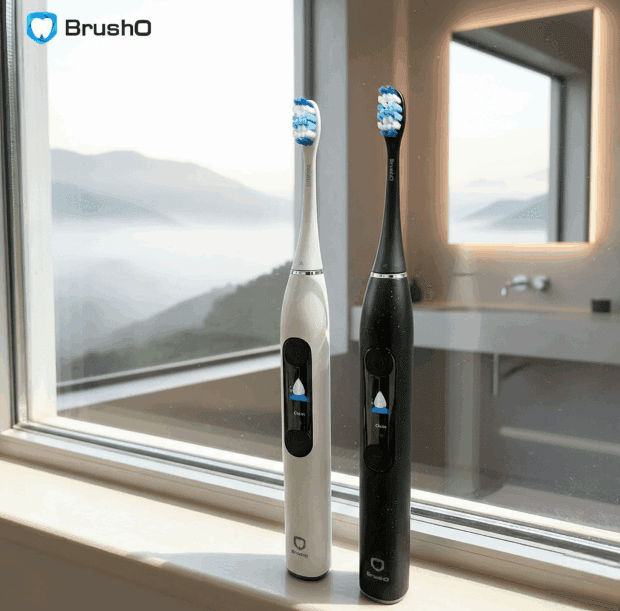
Brushing gaps refers to areas of the mouth that receive insufficient mechanical cleaning during routine brushing. These commonly include:
• Back molars
• Inner tooth surfaces
• Gumline margins
• Crowded interdental zones
• Rotated or recessed teeth
Because plaque accumulates unevenly, these missed regions become primary sites for disease development even when brushing duration appears adequate.
Plaque biofilm begins forming within hours. If undisturbed:
1. Bacterial colonies multiply
2. Acid production increases
3. Enamel demineralization begins
Repeated neglect accelerates cavity formation.
Within 24–72 hours, plaque can mineralize into calculus (tartar), which:
• Cannot be removed by brushing
• Requires professional scaling
• Promotes gum inflammation
This step marks the transition from preventable buildup to clinical intervention.
Localized brushing gaps often produce:
• Gingivitis
• Bleeding gums
• Tissue swelling
If persistent, progression toward periodontal disease becomes possible, significantly raising treatment complexity and cost.
Small hygiene lapses frequently escalate into expensive procedures.
• Routine cleaning
• Fluoride application
Low cost and minimal intervention.
• Fillings
• Sealants
• Deep cleanings
Moderate cost and time commitment.
• Root canals
• Crowns
• Gum therapy
Significantly higher financial burden.
• Implants
• Bridges
• Orthodontic correction
These treatments represent a major long-term investment and discomfort.
Dental economics consistently demonstrate:
Preventive hygiene
⬇️
Localized decay
⬇️
Restorative treatment
⬇️
Structural replacement
Small brushing gaps often initiate this chain.
Even motivated individuals commonly experience:
• Multitasking during brushing
• Inaccurate coverage perception
• Excessive brushing pressure in visible zones
• Rushed routines
• Lack of technique feedback
Human self-assessment of brushing completeness is typically unreliable.
Smart brushing technologies address behavioral limitations by introducing objective guidance.
AI-powered tools such as BrushO assist through:
• Zone mapping across the full mouth
• Detection of missed surfaces
• Pressure monitoring
• Coverage analytics
• Habit tracking over time
This feedback transforms brushing from estimation into measurable performance, helping reduce cumulative risk exposure.
Enhancing brushing accuracy yields measurable benefits:
• Lower cavity incidence
• Reduced periodontal treatment needs
• Less restorative intervention
• Extended tooth longevity
• Fewer emergency dental visits
From a health economics perspective, precision hygiene produces strong preventative value.
• Angle brush toward the gumline
• Use systematic zone rotation
• Maintain full duration coverage
• Avoid distractions
• Establish routine consistency
• Utilize guided brushing tools
• Review brushing performance trends
• Routine dental assessments
• Personalized hygiene instruction
Small brushing gaps may appear insignificant in daily routines, but their cumulative biological impact can lead to major dental health and financial consequences. Plaque persistence, inflammation progression, and restorative treatment escalation demonstrate how minor technique limitations translate into measurable cost burdens. Preventive precision — through structured brushing, awareness of coverage gaps, and smart monitoring technologies — represents one of the most effective strategies for preserving both oral health and long-term financial well-being. Consistency is essential, but accuracy ultimately determines outcomes.
Feb 13
Feb 13
Jul 30
Jul 30
Jul 29
Jul 22
Jul 19
Jul 17

If you are thirsty after brushing, choose plain water. Plan your usual bedtime drink before brushing and skip the immediate rinse at the sink.

Waterpik recommends warm water for its flossers. Check your own model and use comfortably lukewarm water if cold water feels sharp.

Let an intact handle return to room temperature before you consider charging it. Check your manual and watch for signs of battery or housing damage.

Lift away the paste, check the care label, and use cool water on washable fabric. Here is a quick approach for a fresh spot.

Turn the brush off, then check the fit, the connection, and the condition of the head. A second compatible head can help you narrow it down.

Look for a clean, rigid container with a secure lid and keep it with your belongings. A napkin on a lunch tray is easy to clear away.

Check the care directions for your clear retainer. Clinics give different instructions, and the right cleaning method depends on the appliance you received.

Try a gentle rinse first. If the hull sits between teeth and floss moves freely, make a careful pass and stop if it still feels stuck.

A tight gap or rough edge can catch floss. Notice where it snags, keep the movement gentle, and find out when to ask your dentist to check.

Your first sip can taste sharp after brushing. Here is what may be changing and how to make breakfast taste like breakfast again.

BrushO AI ইলেকট্রিক টুথব্রাশ রিয়েল-টাইম ব্রাশিং গাইড, চাপের ফিডব্যাক, কভারেজ ট্র্যাকিং এবং অ্যাপ-ভিত্তিক অগ্রগতি রিপোর্ট দেয়, যাতে দৈনন্দিন রুটিন আরও পরিষ্কার ও সহজ হয়।
BrushO AI ইলেকট্রিক টুথব্রাশ রিয়েল-টাইম ব্রাশিং গাইড, চাপের ফিডব্যাক, কভারেজ ট্র্যাকিং এবং অ্যাপ-ভিত্তিক অগ্রগতি রিপোর্ট দেয়, যাতে দৈনন্দিন রুটিন আরও পরিষ্কার ও সহজ হয়।


Address: RM 1427, 14/F RADIO CITY 505, HENNESSY RD CAUSEWAY BAY, HONG KONG
Code: 000000
Phone: +852-53758652
Email: customerservice@brusho.com