
Jul 30
Jul 30
Jul 29
Jul 22
Jul 19
Jul 17
Bad breath is often linked to poor oral hygiene or the foods we eat—but what if it signals something more serious? One lesser-known cause of persistent bad breath (halitosis) is kidney dysfunction. The kidneys play a crucial role in filtering waste from the body, and when they fail, toxins can accumulate, producing a distinct and unpleasant odor in the breath. In this article, we’ll explore how kidney problems can manifest in the mouth, what symptoms to watch for, and how maintaining strong oral care routines with smart tools like BrushO can help you detect early signs and support overall health.
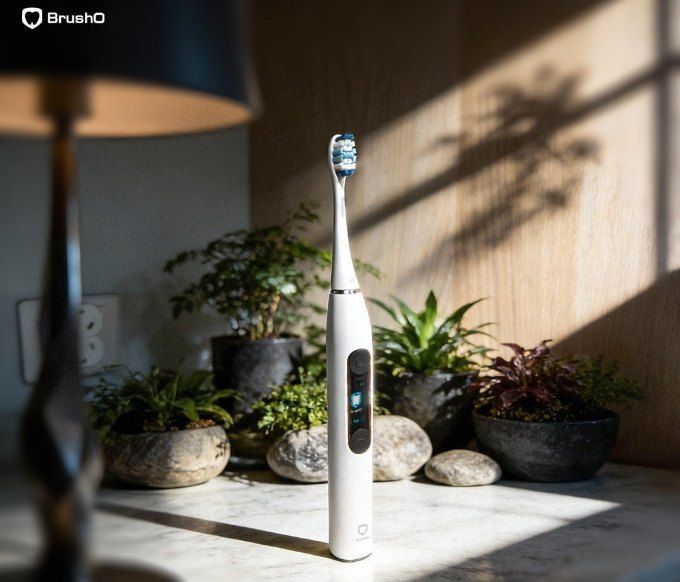
When the kidneys are no longer able to filter out waste products efficiently, compounds like urea begin to accumulate in the body. This can lead to a condition known as uremic fetor—a distinctive ammonia- or fish-like odor on the breath. It’s not the typical “morning breath” or post-meal odor, but rather a persistent issue that brushing alone may not fully eliminate.
In addition to halitosis, kidney disease may also cause:
• Dry mouth (xerostomia) due to decreased saliva production
• Metallic taste in the mouth
• Swollen gums or tongue
• Increased plaque buildup due to changes in saliva composition
These symptoms often go unnoticed in early stages but can be early warning signs.
The mouth is more than just where digestion starts—it’s a reflection of your body’s internal state. Poor oral health has been linked to systemic diseases like diabetes, cardiovascular conditions, and now, kidney disease. In fact, researchers have found that chronic kidney disease (CKD) patients are more likely to suffer from periodontitis, and untreated gum disease may worsen kidney function due to chronic inflammation.
Chronic bad breath that doesn’t improve with brushing, flossing, or tongue cleaning could indicate an underlying health issue—especially if accompanied by fatigue, swelling, or changes in urination. While not always caused by kidney issues, halitosis should not be ignored if it becomes persistent and foul-smelling.
While BrushO cannot diagnose kidney disease, it plays a key role in early detection and prevention by maintaining optimal oral hygiene and making it easier to notice irregularities.
• AI-Powered Detection: Identifies missed spots and poor brushing zones that may contribute to bacterial buildup and worsening halitosis.
• Pressure Sensor: Prevents gum damage by alerting users if they brush too hard—ideal for users with inflammation or sensitive gums.
• Smart Reports: Daily brushing data helps track habits and recognize persistent breath issues that don’t resolve with regular cleaning.
Using BrushO regularly ensures that food particles, plaque, and odor-causing bacteria are thoroughly removed, which is essential when your body is more vulnerable due to conditions like CKD. Plus, BrushO’s habit tracking and $BRUSH token rewards encourage long-term care routines.
If you notice persistent halitosis alongside other symptoms such as fatigue, swollen ankles, or unusual urine output, consult a doctor. But also don’t neglect your mouth—a healthy oral environment can help reduce overall inflammation and support your general well-being.
Bad breath isn’t always a simple nuisance—it could be your body sounding an alarm. With the help of smart brushing tools like BrushO, you can take better control of your oral health and stay alert to signs that may point to broader health concerns. Never underestimate the power of your toothbrush—it might be the first step in protecting your kidneys too.
Jul 30
Jul 30
Jul 29
Jul 22
Jul 19
Jul 17

Understand sonic bristle movement, laboratory fluid-dynamics claims, and BrushO’s practical timer and pressure-response features before buying.

Learn where BrushO may fit in care for healed implants and crowns, with tailored tools, surgical instructions and professional maintenance.

Plan comfortable brushing during pregnancy with BrushO’s timed prompts and pressure response, alongside advice from your dental and maternity teams.

Choose fluoride toothpaste for your dental needs and pair it with BrushO’s timed brushing and pressure response for a consistent daily routine.

Address common brushing mistakes with BrushO’s timer, pressure-responsive FSB hardware, and eligible CHECK and COACH software guidance.

Understand the difference between nighttime teeth grinding and brushing pressure, and where BrushO fits alongside a dentist-led care plan.

Explore how BrushO supports consistent daily brushing for coffee, tea and wine drinkers, with realistic expectations about surface stains and tooth color.

Build a lighter BrushO routine with pressure-responsive FSB hardware, comfortable settings, and dental advice about tooth wear and enamel care.

Combine BrushO’s powered brushing with daily interdental cleaning. Learn why timed prompts and pressure response complement flossing rather than replace it.

Make the two-minute brushing rule practical with BrushO’s timed prompts, pressure response, and a planned route around every tooth surface.

BrushO AI ইলেকট্রিক টুথব্রাশ রিয়েল-টাইম ব্রাশিং গাইড, চাপের ফিডব্যাক, কভারেজ ট্র্যাকিং এবং অ্যাপ-ভিত্তিক অগ্রগতি রিপোর্ট দেয়, যাতে দৈনন্দিন রুটিন আরও পরিষ্কার ও সহজ হয়।
BrushO AI ইলেকট্রিক টুথব্রাশ রিয়েল-টাইম ব্রাশিং গাইড, চাপের ফিডব্যাক, কভারেজ ট্র্যাকিং এবং অ্যাপ-ভিত্তিক অগ্রগতি রিপোর্ট দেয়, যাতে দৈনন্দিন রুটিন আরও পরিষ্কার ও সহজ হয়।


Address: RM 1427, 14/F RADIO CITY 505, HENNESSY RD CAUSEWAY BAY, HONG KONG
Code: 000000
Phone: +852-53758652
Email: customerservice@brusho.com